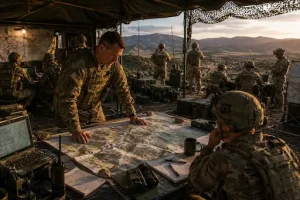

Command isn’t about controlling every step of the process—it’s about leading with intent and empowering others to act. During the relief of the 101st Airborne at Bastogne, General Patton demonstrated this balance perfectly, giving his commanders the authority to adjust tactics on the ground while maintaining strategic oversight from a distance.
As the Third Army advanced under brutal winter conditions, commanders encountered unexpected obstacles: snow-blocked roads, fuel shortages, and enemy resistance. But Patton didn’t interfere with every decision. His commanders had the freedom to shift attack patterns or reroute units on the fly, knowing they had his trust to act within the framework of the mission.
Empowerment Strengthens Accountability

This ability to empower teams while maintaining overall command is a hallmark of Radical Accountability. Trusting your team doesn’t weaken accountability—it strengthens it. When people feel empowered to act, they take full ownership of their role, knowing they are accountable not just for completing tasks but for the success of the entire mission.
Patton’s trust in his commanders didn’t mean he was disengaged. He relied on continuous reports from the field to make real-time adjustments, ensuring the operation stayed on course. In the same way, business leaders must establish feedback loops to stay aligned without micromanaging. Empowerment and accountability must go hand in hand.
Command in Action: The Balance of Trust and Oversight

Patton’s success at Bastogne is a perfect example of how command isn’t just about authority—it’s about trust. It’s knowing when to lead from the front and when to let your team take charge.
The result? A faster, more adaptable organization that can achieve extraordinary results, even under extreme pressure.
Command Expedition: Learn How History’s Greatest Leaders Empowered Teams
Command and empowerment are essential leadership skills. If you want to develop these skills firsthand, join us for the Command Expedition: Leadership Lessons from Iconic Battlefields – Battle of London in September 2025. Walk in the footsteps of Churchill, Eisenhower, and other iconic leaders, gaining insights that will help you transform your leadership style and foster Radical Accountability in your organization.
Space is limited, so watch for registration details soon!
How do you balance command and empowerment in your leadership? What does command mean to you? I’d love to hear your stories—reply to this email to share your successes (and even your challenges) with command.